С О О П Ш Т Е Н И Е ЗА ПРИЈАВУВАЊЕТО ЗА ПОЛАГАЊЕ НА ИСПИТ ЗА ДОБИВАЊЕ НА ЛИЦЕНЦА ЗА ПРОЦЕНИТЕЛ НА ТУТУН
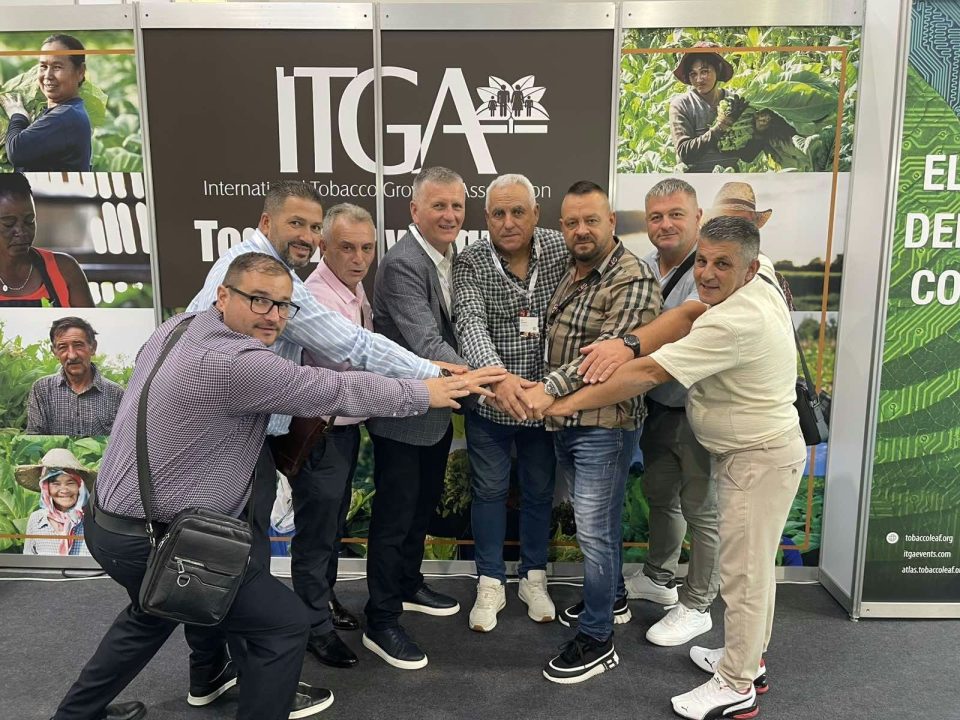
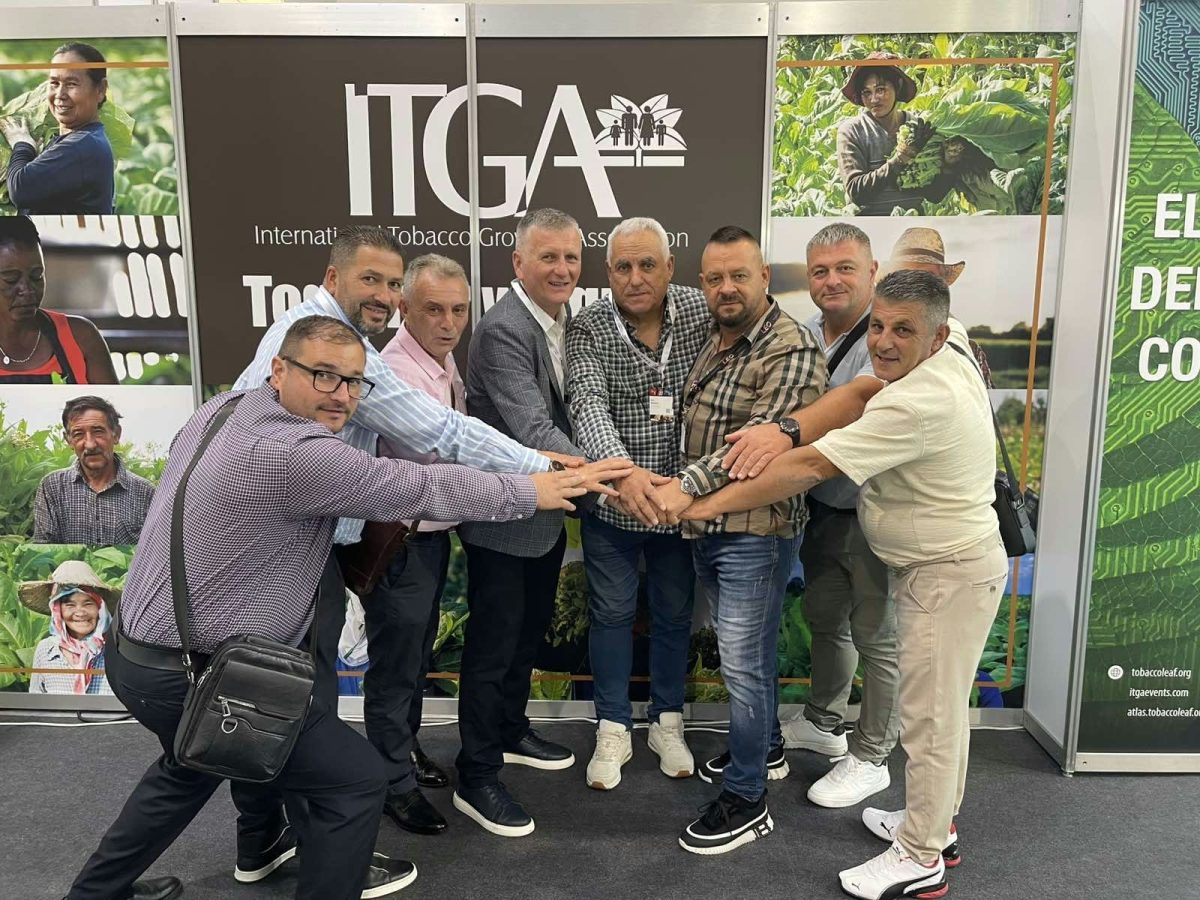
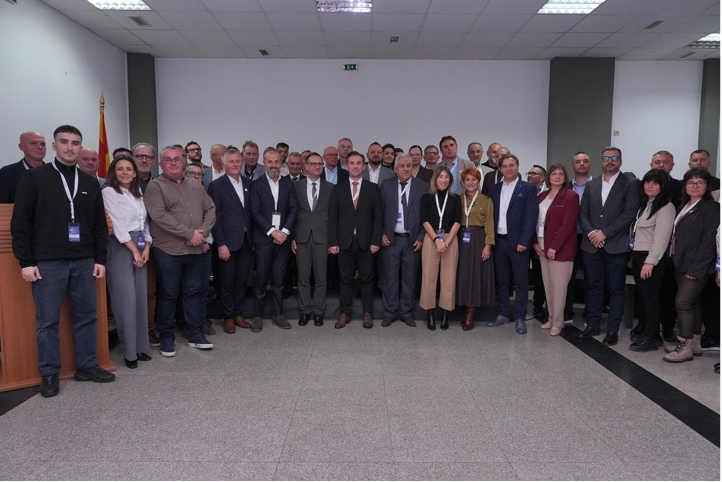
16/09/2026Prilep, North Macedonia, 27 October 2026 — The International Tobacco Growers’ Association (ITGA) and the Union
of Tobacco Producers – Maka na Tutunoberacite Prilep brought together growers, researchers and industry
representatives from tobacco-producing countries and European markets to examine the future of Oriental tobacco,
global market developments, regulatory challenges and the economic and cultural importance of the crop.
Fourteen years after North Macedonia hosted ITGA’s first Oriental Tobacco Forum in 2012, the meeting returned to
Prilep, at the heart of the country’s traditional tobacco-growing region. The Forum connected international market
developments with production realities in the Oriental Region.
“Tobacco is a strategically important crop for North Macedonia, supporting thousands of farming families and
contributing significantly to our economy. Understanding international market developments is essential to
safeguarding the sector’s future, and we value the insights and expertise that organisations such as ITGA bring to this
discussion.” – Borche Serafimovski, Minister of Agriculture, Forestry and Water Economy, Republic of North
Macedonia.

North Macedonia: an agricultural tradition with economic significance
“Discussions about the global leaf tobacco market, developments in producing countries, and European and
international regulations have real value when they help us better understand ongoing changes and identify solutions
that take into account the actual conditions in which growers operate. This is precisely why today’s Forum in Prilep is
important.” – Dejan Prodanoski, Mayor of Prilep.
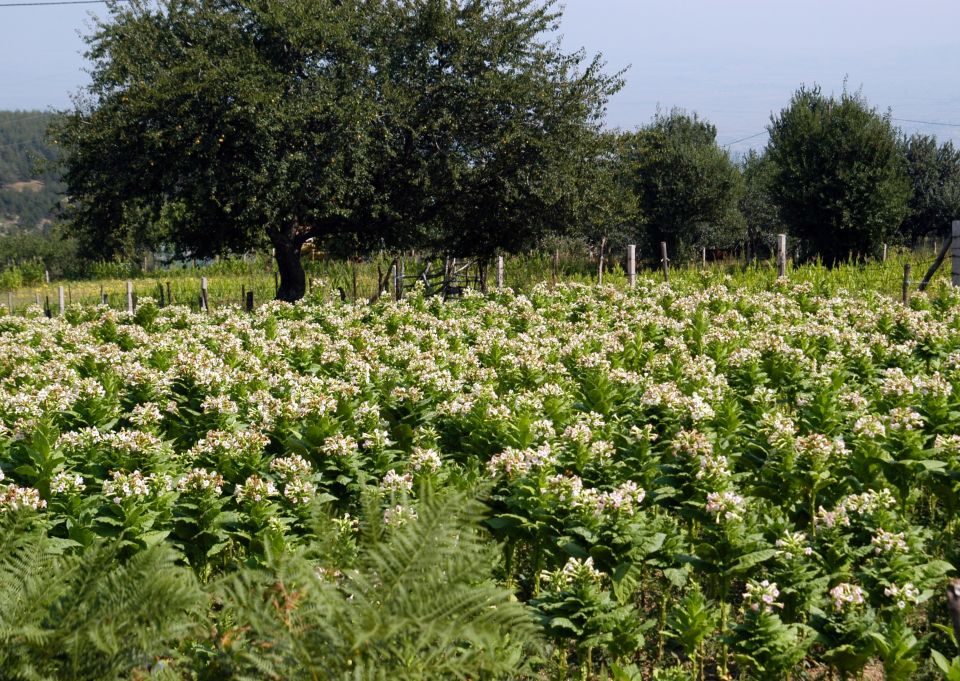
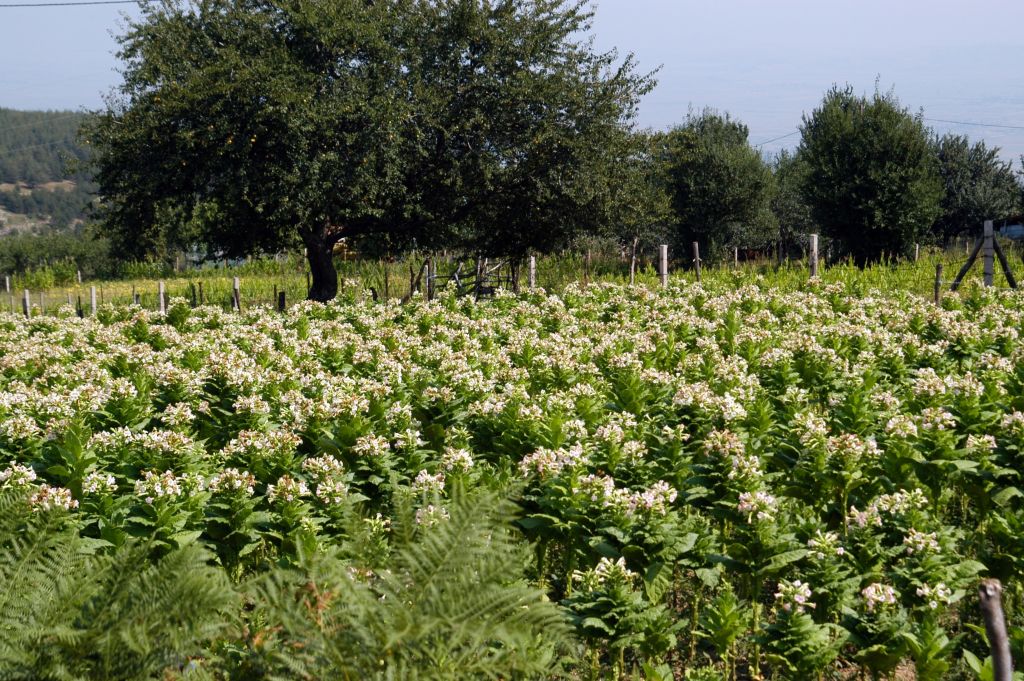
Tobacco is North Macedonia’s leading agricultural export commodity, involving approximately 15,000 growers,
annual production of around 25 million kg and export value exceeding USD 200 million per year. These indicative
figures underline the crop’s importance to rural livelihoods and the country’s agricultural identity.
“This Forum demonstrates that the voice of Macedonian tobacco growers extends far beyond our national borders,
and that only by working together can we overcome the challenges facing our sector.” – President of the Union of
Tobacco Producers – Maka na Tutunoberacite Prilep.
Global tobacco markets: leaf supply adjusts after the 2025 peak
Ivan Genov, ITGA Manager Tobacco Industry Analysis, presented a global market overview showing that leaf
production is adjusting after a very strong 2025 crop. Current industry assessments estimate world production down
around 5% in 2026, with a further decline projected for 2027.
Lower production does not immediately remove market pressure. Reports still describe oversupply and slower
purchasing for flue-cured Virginia (FCV) and Burley, while Oriental follows a different path of undersupply moving
towards balance, with world Oriental output estimated at 138 million kg in 2026.
For growers, prices and grading, production costs and the timing of purchases determine whether a crop delivers a
viable return. The market presentation linked these pressures to farm investment, labour availability and confidence
in planting for the next season.
Euromonitor International’s Erwin Henriquez contributed a video presentation on global nicotine consumption, with a
focus on Europe. Euromonitor’s analysis forecasts broadly stable global legal nicotine-market volume, including China,
with compound annual growth of 0.1% between 2025 and 2030, measured in stick equivalents. Performance differs
by region and product category: wider adoption of alternatives supports European nicotine volumes, while traditional
products continue to grow in selected markets.
The market panel pointed to a sustained medium-term requirement for leaf at then-current levels, while recognising
that overall demand does not necessarily translate into equal requirements for every tobacco variety, grade or
producing country.
The market session reinforced a clear message: the future of tobacco growing depends on understanding both sides
of the market — what consumers are using and what the supply chain needs to purchase.
The Oriental countries panel brought together perspectives from North Macedonia, Bulgaria, Greece and Türkiye.
ITGA member reports forecast production in North Macedonia at 30.8 million kg in 2026, up 17.5% from 2025, while
preliminary estimates for Bulgarian Oriental point to 4.9 million kg, an increase of 43.2%. This expansion comes
alongside concerns about water availability, drying conditions and the need to keep production aligned with buyers’
commitments.
In Greece, total tobacco production fell to 10.52 million kg in 2025 from 12.27 million kg in 2024. Oriental varieties
accounted for around 55% of the 2024 crop, the latest available breakdown by type. In Türkiye, the leading Oriental
tobacco producer, purchases in the “Turkish tobacco” category reached approximately 68 million kg by the end of
August 2026, compared with 48 million kg reported in August 2025, according to the Turkish Tobacco and Alcohol
Department.
Regulation in focus: European policy and the WHO FCTC
The regulations programme brought together Nathalie Darge, Secretary General of Tobacco Europe, and Mercedes
Vázquez, ITGA Chief Executive Officer, who examined developments in European tobacco policy and international
tobacco-control discussions and their implications for growers and the wider supply chain.
Nathalie Darge outlined the evolving EU regulatory landscape, including the revision of the Tobacco Products and
Tobacco Advertising Directives and proposed changes to tobacco excise taxation. The discussion explored how
changes in product rules, taxation and market demand could affect growers’ competitiveness, production planning
and investment, alongside concerns about illicit trade and the long-term viability of tobacco-growing regions.
The session highlighted opportunities for stronger cooperation across the sector through a shared evidence base,
closer engagement with policymakers and a coordinated approach to transition. A central message was the need to
connect public-health policy with agricultural resilience and rural development, recognising that regulatory changes
can have different consequences across producing countries and farming communities.
At international level, Mercedes Vázquez reviewed developments under the WHO Framework Convention on Tobacco
Control, including COP11 decisions addressing environmental protection, sustainable financing, forward-looking
tobacco-control measures and industry liability. She also highlighted ITGA’s concern that misinterpretation of Article
5.3 has been used to exclude growers and their representatives from discussions affecting their livelihoods.
With COP12 scheduled to take place in Yerevan, Armenia, in 2027, ITGA emphasised the importance of early
engagement with national governments, meaningful farmer consultation and assessments of potential effects on
farm incomes, employment and rural economies. Growers need timely information on proposals, clear national
negotiating priorities and reporting on decisions and their domestic implementation.
Where crop diversification is proposed, alternatives must offer demonstrable buyer demand and profitability,
supported by realistic transition timelines, funding, credit and technical assistance. The panel’s overarching message
was that public-health objectives and viable rural livelihoods must be addressed through evidence, consultation and
practical support for farming communities.
One supply chain, one shared responsibility for understanding its future
The Forum concluded with a central message: the future of Oriental tobacco cannot be understood from a single
perspective. It must be considered across the entire supply chain, from growers and producing regions to buyers,
manufacturers, markets and policymakers.